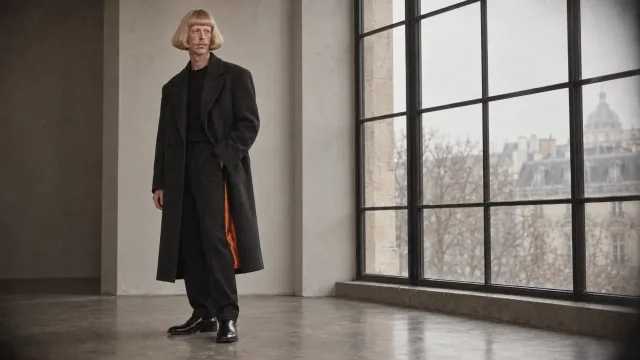
Artificial identities · Lyfera · 2026-10-11
A convincing voice still needs a performance
A recognisable vocal sound leaves the meaning of a sentence open. How script, emphasis and context give an artificial character something specific to do with its voice.
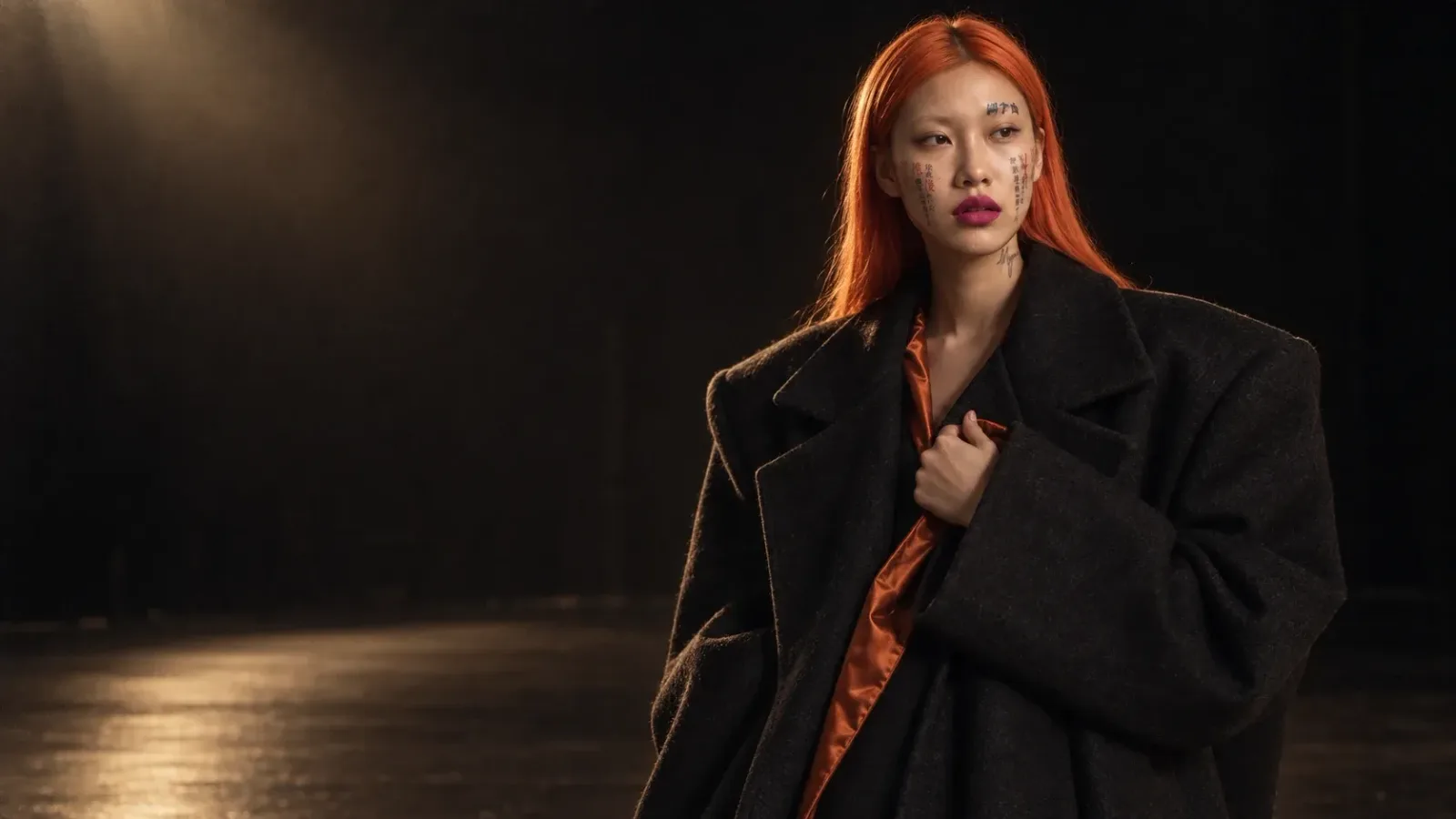
“I kept the coat.” Give this sentence to an imagined fashion character and it can do several things. The speaker might insist that they, rather than someone else, kept it. They might defend the decision to keep something they were expected to discard. They might distinguish the coat from another item that has gone. The words stay the same; the thought carried by them changes with the delivery. Choosing a pleasant voice would leave that decision unresolved.
This is a useful distinction when an artificial talent moves from a written caption into speech. A recognisable vocal sound can help introduce a speaker, but it does not settle what the speaker is doing with a particular sentence. A performance needs a relationship between the words, the situation and the person being addressed. The creative task continues after a voice has been selected.
A forthcoming theatre work gives the question a particular setting. Art Laboratory Berlin lists Nicoline van Harskamp's Prosodia for 18 October 2026. Its account describes a synthetic actress rehearsing an epic story alongside human performers, with an inability to cry becoming a problem within the work. That is the premise of a performance, rather than a benchmark of synthetic speech. It offers a timely invitation to consider what happens when a vocal capability meets a dramatic requirement.
Give the sentence an action
Return to the hypothetical coat scene. Imagine that another character has asked why the wardrobe now contains so little. “I kept the coat” could reassure them that something important remains. In a different scene, the line might answer an accusation that the speaker never makes a decision. The delivery would need to do different work because the relationship has changed.
Writing that relationship into the brief gives the performance something to pursue. “Reassure a friend without making a speech” is more useful here than “warm and expressive.” The first describes an action towards someone. The second describes an impression the team hopes to receive. Warmth might serve the action, but so might a restrained, almost matter-of-fact reading that lets the shared history remain unspoken.
The Royal Shakespeare Company describes voice coaching as exploring sound and rhythm in rehearsal and connecting text, voice and character through work with the body. This is an account of human theatrical practice, not a claim that software has the same means of understanding a scene. The useful editorial connection is that vocal expression belongs to interpretation. Reading the correct words clearly is one requirement; making their purpose audible is another.
Our discussion of casting a presenter or an original character asks who the audience is encountering. A spoken passage adds a closer question: what is this speaker trying to make happen now? Even a short introduction can benefit from an answer.
Hear what the delivery has added
An editor reviewing the invented scene can first listen without looking at the portrait. Which word receives weight? Where does the phrase seem to finish? Does the delivery sound like an answer, a correction or the beginning of a longer explanation? These observations make the proposed reading available for discussion without pretending that every listener will interpret it identically.
Suppose the team intended quiet reassurance, but the line arrives with heavy emphasis on “I.” The result could suggest a dispute about who made the decision. If that dispute belongs to the scene, the reading might be useful. If it does not, a polished recording has introduced an implication absent from the brief. Approving the sound alone would allow that implication into the character's work.
Revising the delivery may help, but the script deserves examination too. A short sentence that seemed wonderfully economical on the page might depend on context that the listener never receives. The team could supply that context through an earlier line or choose more exact words. Asking the voice to communicate an entire missing relationship through emotional colour makes the performance responsible for a writing problem.
The opposite can happen when every phrase receives a strongly marked attitude. Our imagined character might sound permanently amused, solemn or reassuring, even as the subject changes. A vocal identity can then become a repeated effect rather than a way of interpreting new material. Recognition needs room for an ordinary sentence, a changed opinion and an unfamiliar situation.
Let a limitation change the writing
The premise of Prosodia raises a question beyond how convincingly a synthetic voice can imitate an emotional sound. What can the scene do with the means actually available? For the hypothetical coat story, a writer might initially ask for a tearful recollection. If the delivered passage cannot support that direction, repeatedly intensifying the instruction may leave the underlying scene untouched.
Another version could reveal the attachment through a choice. The character explains which item was kept, begins to describe why, then settles on one concrete detail. The listener encounters hesitation through the structure of the account. This is an original proposal for our invented scene, not a description of what happens in van Harskamp's work or evidence that a particular speech system can deliver it.
Changing the scene should remain a deliberate creative decision. A limitation can suggest a worthwhile form, but it can also prevent the work from doing what the commission requires. If a crucial reading remains unavailable, the team needs to reconsider the production approach or leave that passage unfinished. An attractive substitute should be judged against the intended meaning before it becomes the final performance.
Review the spoken character in context
Bring the sound back beside the image and the surrounding sequence. A reserved portrait accompanied by a forceful delivery might create an interesting tension, or it might make the speaker seem unrelated to the character already established. The relationship needs to be considered, rather than repaired automatically by making every surface communicate the same mood.
A transcript can preserve the words while leaving their vocal interpretation partly out. If the distinction matters to the story, the writing around the passage should provide enough context for someone reading rather than listening. Similarly, a short excerpt needs review on its own: removing the preceding question from the coat scene could change how the answer sounds. The approved performance belongs to a particular presentation, even when the voice continues elsewhere.
These are editorial proposals for developing spoken character work, not a statement that Lyfera supplies a particular voice or theatre-production workflow. The mentor's continuing role is to decide which appearances belong to the identity. When speech becomes part of that work, listening deserves the same attention as looking. A convincing sound introduces a possibility. The performance gives that possibility a reason to speak.