Artificial identities · Lyfera · 2026-10-29
Leave a character's motive open to the reader
A precise action can carry more than one meaning. How a mentor can give an artificial character room for interpretation without making the scene obscure.
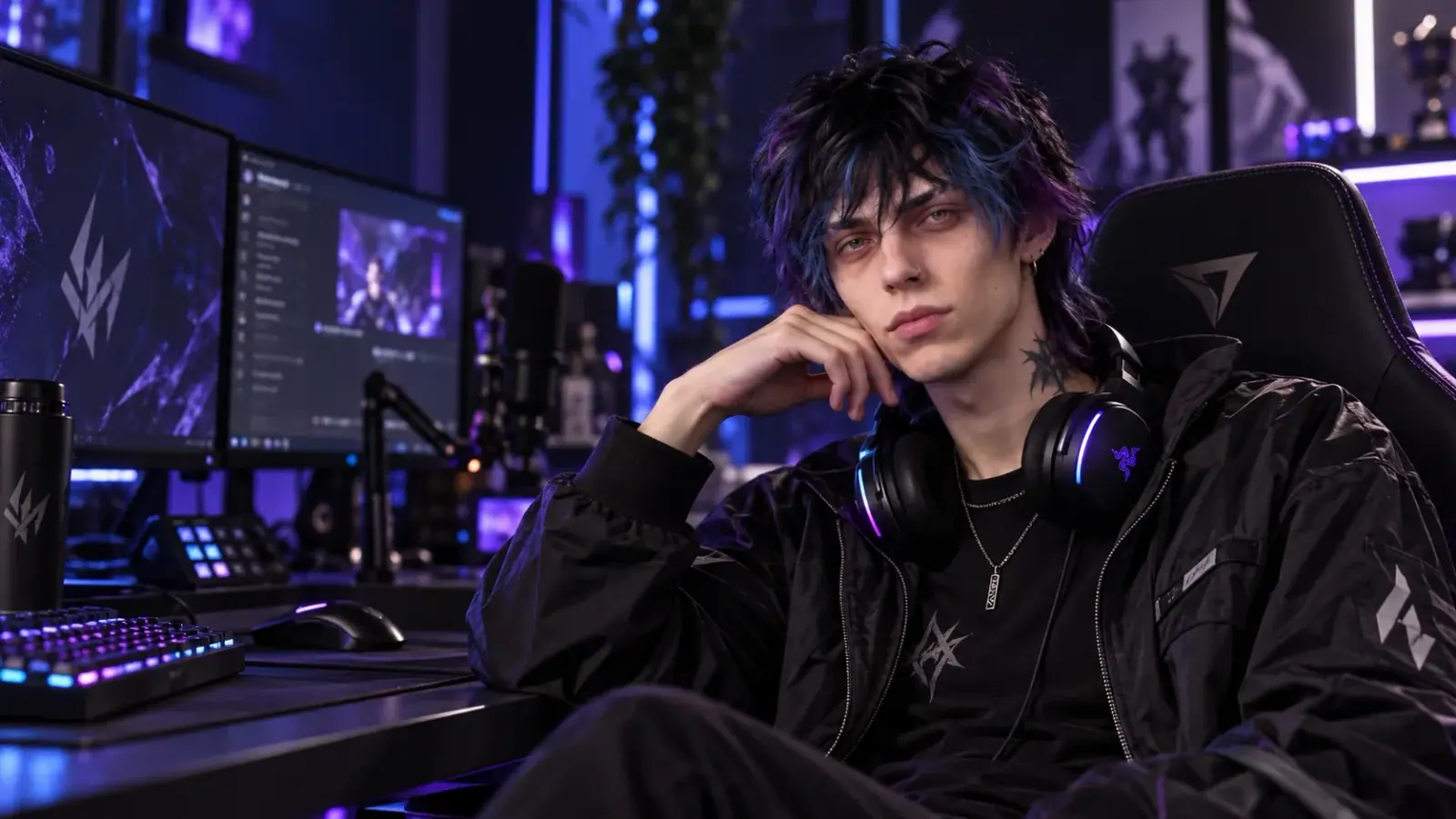
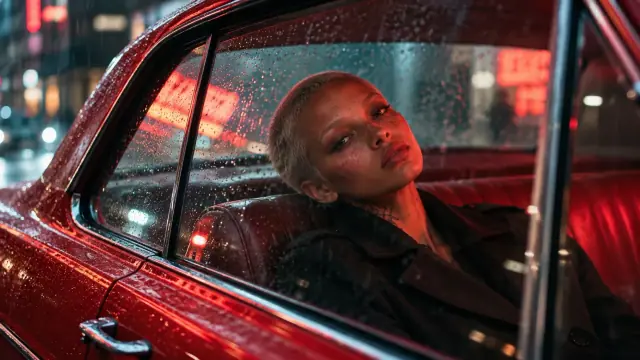
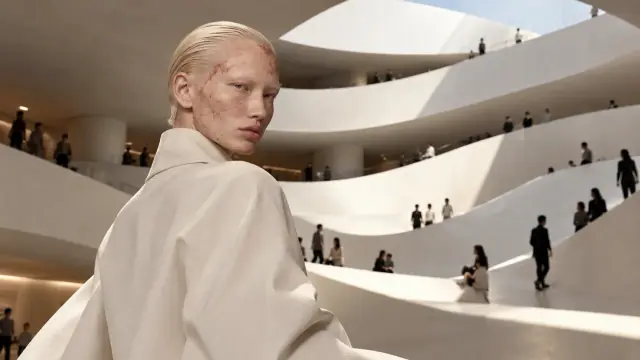
In a hypothetical scene, an artificial talent arrives at an exhibition entrance, notices someone across the room and folds the invitation back into a pocket. The next image shows the talent outside. A caption could explain that they left because they felt unwelcome. It could describe a refusal to repeat an old argument. It could also stay with the small action, allowing the reader to consider why the invitation went unused.
These versions share an event but offer different encounters with the character. An explanation gives the reader a reason to carry forward. A more restrained account leaves a relationship to explore between what the talent notices and what they do. For a mentor developing a recurring identity, deciding how much to explain is part of directing the work. The most articulate caption may settle something the scene could usefully leave in question.
An explanation changes the scene
A recent interpretive study by Yuanni Zhang and Ying Lan, published on 25 October 2026, examines three selected character monologues described as AI-generated, alongside prominent comments on Chinese short-video platforms. The authors argue that a continuous account of a character's inner life can make one explanation of their behaviour easier to adopt. Their close readings offer a way to examine narrative framing; they do not establish a general audience effect through a controlled experiment. The selected comments also cannot stand for everyone who watched. For creative work, the useful invitation is to inspect what an explanation adds before treating that addition as clarity.
Consider the invented exhibition scene again. Saying that the talent felt unwelcome gives the glance across the room a particular meaning. A reader may now understand the other figure as hostile, even if the picture shows only someone standing near a doorway. The caption has connected an observation to an emotional cause. That connection can be an intentional part of the fiction, but it deserves the same attention as the action itself.
A different caption could make the talent sound self-important, wounded or simply tired. Each would organise the same visible material around a different judgement. Before choosing among them, the mentor can decide what the scene is meant to offer: access to a settled motive, a character's partial account of that motive, or an action whose significance will emerge later. These are distinct writing choices, with different consequences for the next piece.
Give uncertainty something concrete to rest on
Leaving room for interpretation works best when the scene itself is intelligible. In the imagined sequence, the reader should be able to recognise an entrance, an invitation and a departure. If the crop hides the invitation and the two images do not establish the same location, uncertainty may concern what happened at all. That is a different problem from wondering why a recognisable action took place.
The visual direction can make the action precise without supplying its cause. The talent could pause with one hand still on the door, then carefully fold the invitation along its existing crease. Those details give the departure a particular rhythm. They could support a reading of hesitation or deliberate withdrawal without obliging the caption to announce either. Our discussion of giving an AI character time to react considers how a sequence can make such a pause available to the viewer.
There is a historical visual comparison in René Magritte's The Lovers, painted in 1928. MoMA describes the fabric between the embracing figures as interrupting their intimacy, while also noting Magritte's resistance to explanations that settled the meaning of his paintings. The encounter is specific even though its significance remains elusive. That is useful context for thinking about an image's openness, rather than a request to borrow the veiled faces or reproduce the painting's language.
For the artificial talent, the equivalent discipline is to choose a few readable particulars. A vague image followed by a vague sentence gives the audience little to work with. A precise action can remain interesting when its cause is unsettled. The task is to give different interpretations a place in the work, rather than making the viewer invent an entirely missing scene.
A character's account can remain partial
First-person writing offers another possibility. The hypothetical talent might say that they had intended to stay for only a few minutes. That statement could sit awkwardly beside the care with which they prepared the invitation. The discrepancy gives the reader a relationship to notice between intention, conduct and the account offered afterwards. The writing can belong to the character without becoming a complete explanation delivered on the character's behalf.
This requires judgement about what the audience can reasonably know. If the earlier preparation appeared in a previous piece, a new reader may not have seen it. The current scene can carry a small reminder, or the sequence can be presented together. Depending on information that the audience cannot encounter turns a potentially meaningful discrepancy into a private reference known only to the team.
Emotional address needs its own review. Our article on a fictional confession and its real audience asks what response an intimate passage requests from the reader. The question here concerns how much of the character's motive the writing resolves. A passage can leave a motive open while making no demand for reassurance. It can also explain every feeling while remaining considerate. The two decisions should be made separately.
Review what the caption closes
A mentor can compare the sequence with and without its proposed explanation. First describe the event in ordinary terms. Then ask what the caption makes newly certain: the identity of the person across the room, the talent's judgement of them, the reason for leaving or the meaning of the departure. Some of those additions may be exactly what the piece needs. Others may turn a tentative reading into an unnecessary verdict.
The comparison can be modest. Two colleagues might read the imagined exhibition sequence differently, one noticing avoidance and the other restraint. Their disagreement would not prove that every audience will find the scene rich or compelling. It would help the team see which details sustain each reading and whether the caption removes a possibility they intended to preserve. If readers cannot describe the event, the first revision may belong in the sequence rather than in its psychological explanation.
There are occasions when a clear motive is welcome. A decisive moment may need the character to state what they have chosen, and a later scene may resolve a question that an earlier one kept open. Restraint has value when it serves this particular work. For a continuing artificial identity, a small action can give the audience something to return to before the character has supplied the last word on what it means.