Artificial identities · Lyfera · 2026-11-02
Before an AI video moves, decide what the scene needs
Build an AI video scene around character intention, visual continuity, spatial relationships and purposeful camera choices.
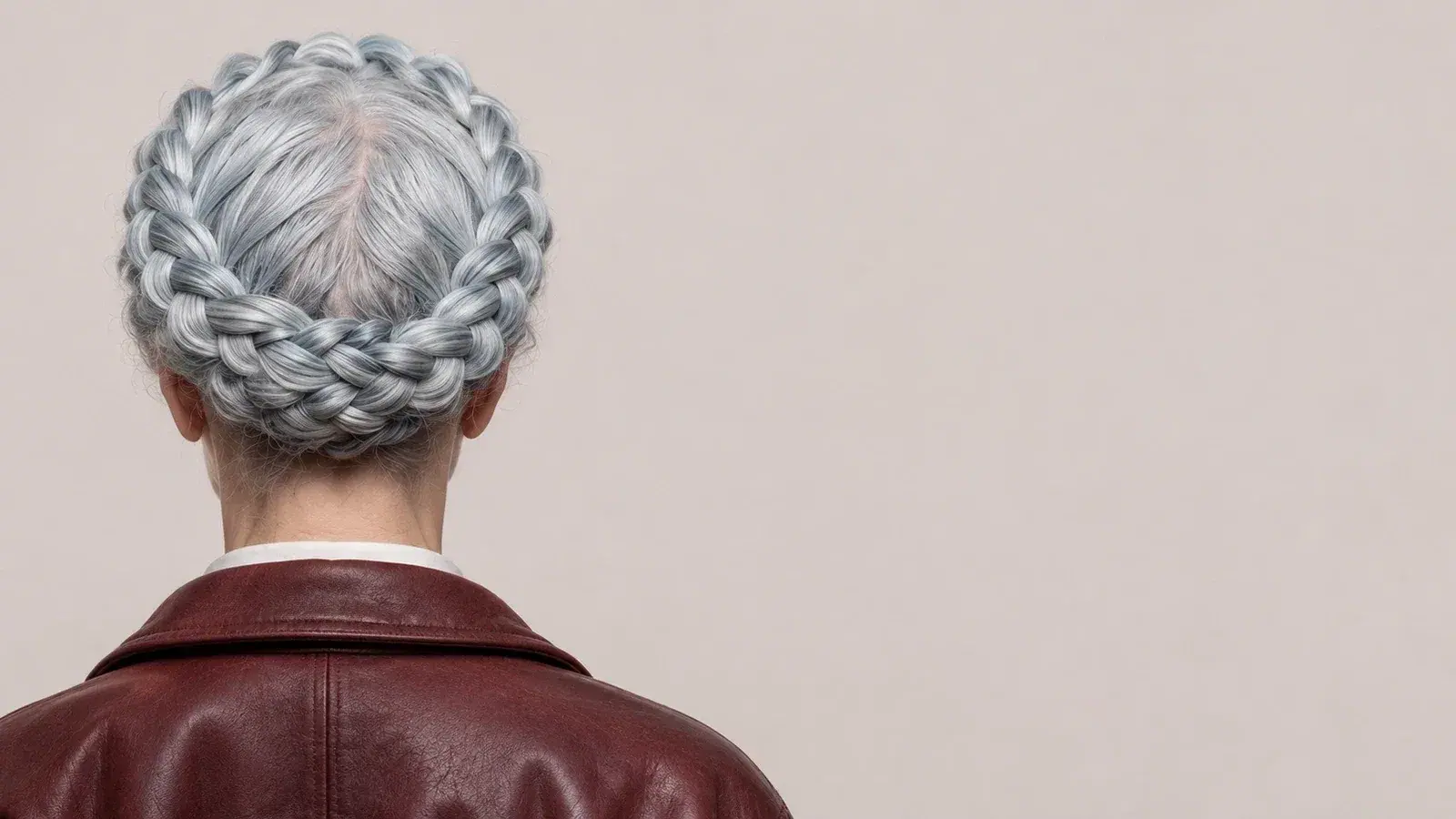
An image can establish a person, a place and a mood in a fraction of a second. A scene has a harder task: it must make a change intelligible. Someone enters a room, notices another person, hesitates, and decides whether to speak. The viewer needs to understand not only what each moment looks like, but how one moment becomes the next.
That is why a useful AI video workflow begins with decisions that are not about the generator. It begins with a character who has a reason to act, a space in which the action can happen and a point of view that lets an audience notice it. Generative tools can offer visual possibilities inside those decisions. They cannot decide which possibility matters to the story on your behalf.
For an artificial talent, this distinction is particularly important. A recognisable face may carry an image from one production to another, but a continuing character also needs choices, relationships and a way of occupying a world. The challenge is to give a creative team enough continuity to work together while leaving the character room to surprise us.
Give the character something specific to do
Imagine an invented scene set in a tailor's workroom. An artificial talent has come to collect a coat. On the cutting table is a piece of fabric that the tailor has deliberately left unfinished. The talent reaches towards it, pauses, and asks why it was not completed.
The point of the scene is not the hand reaching for cloth. It is the moment in which a person who expects a finished garment discovers that the unfinished material has a purpose. The gesture gives the audience access to that change in expectation. If the character reaches, speaks and leaves without a pause, the information may still be present, but the decision becomes harder to feel.
Before preparing an image or a video instruction, describe the scene as a sequence of observable changes. Where is the character looking at the beginning? What attracts their attention? Which hand moves, and what happens when it reaches the fabric? What does the other person do while the talent is looking away? A listener can remain silent and still have a meaningful action: holding a measuring tape, changing posture or waiting before answering.
This is also a useful limit on preparation. Details deserve a place when they help someone stage, perform or review the scene. A long biography is not automatically a better brief. The more practical question is which part of the character's established identity changes the decision in front of us. Our discussion of giving an AI character time to react considers the intervals that make such decisions visible; here the work comes earlier, when those intervals are chosen at all.
Separate what stays recognisable from what can change
The same talent might appear in a portrait, a moving scene and a written post. A team can make those outputs belong together by keeping a concise record of the decisions it has already made. Physical references help identify the subject; notes about their behaviour help collaborators understand how that identity acts in a particular situation.
Those notes need different kinds of certainty. A recognisable facial feature may be a stable visual reference. An outfit belongs to a particular scene or production. A relationship can change over time. A possible future event remains a proposal until someone chooses to establish it. If all four sit in a document without labels, a collaborator can easily mistake an option for a commitment.
For the hypothetical workroom scene, a simple working record might say that the talent has an established interest in how garments are constructed; that the current coat belongs to this fitting; and that the reason the fabric remains unfinished is still open to the writer. The first note guides attention, the second protects the scene's continuity, and the third keeps a creative question alive. They are not evidence of an actual talent's history.
A useful reference is therefore less like a personality test than a record of decisions and their context. Our article on a history an AI character can trust explores what a continuing character can know and remember. A scene brief has a narrower job: identify the details that this particular action needs, and make uncertainty visible before it becomes an accidental fact.
Build the space around relationships, not decoration
In the workroom, place the cutting table between the entrance and the tailor. Put the unfinished fabric near the edge closest to the talent, with enough room for a hand to approach without crossing the other person's body. Decide whether the tailor can see that hand and whether the audience should see the tailor's reaction at the same time.
These are modest decisions, but they create a map that can survive changes in viewpoint. If a later image shows the table on the opposite side of the room, or places the tailor where the entrance used to be, the audience may have to reconstruct the space just when the scene asks them to follow an emotional shift. A beautiful background is not enough if its geography makes the action difficult to follow.
The opening image is one part of that map. It can show the talent, the cloth and the distance between them, but a single frame does not explain everything outside its edges. A wider view, a simple sketch or a written description can help a team agree on what exists beyond the crop. These are planning aids, not guarantees that a model will reproduce a room consistently.
The distinction matters when a second shot changes the camera's position. A close view of the hand may reveal texture and hesitation, while a wider view may show the relationship between the two people. Neither is inherently more cinematic. Each answers a different question. The earlier guide to choosing a starting image for AI video examines whether a still makes an intended action readable; a scene map extends that question across the space around the still.
Direct the camera as a participant in the scene
A moving camera can bring the viewer closer to a decision, but movement needs a reason. If the workroom scene is about noticing unfinished fabric, the camera might remain still while the talent enters the frame. A small move later could bring the hand and the tailor into the same relationship at the instant of hesitation. Alternatively, a cut to the tailor could make the response more important than the object itself.
Write these options as choices rather than stacking camera terms in the hope of producing atmosphere. What should the viewer see first? Is the scene asking for proximity, uncertainty or a clear view of the action? Does the camera reveal information the character does not yet have, or does it discover the room alongside them?
Separate the action of the camera from the action of the person. A talent turning towards a table and a camera moving around a stationary talent can produce similar changes in a frame, but they are different events. Reviewing them separately makes it possible to identify what failed: the intended gesture may be absent, the camera may have hidden it, or the scene may simply need a different cut.
Review a sequence for meaning as well as consistency
After a generated take, compare it with the decision the scene was meant to communicate. In the fictional workroom, can a viewer tell that the character notices the cloth before reaching? Is the object recognisably the same when the view changes? Does the tailor have a position and an action that make sense? Does the pause give the audience time to anticipate an answer?
Technical continuity and narrative clarity are related, but they are not interchangeable. A sequence can preserve the same face and outfit while losing the reason for the encounter. Another can contain a useful reaction even if a later detail needs correction. Review the whole action first, then inspect the details that determine whether that action can be used.
Keep an honest record of what was intended, what the take actually shows and what remains unresolved. A promising fragment can inform an edit or a later attempt, but it should not be described as a successful process until the relevant result has been checked. When an attempt misses the point, changing the description, simplifying the action or reconsidering the shot may be more useful than repeating it unchanged.
The aim is not to make every scene equally controlled. It is to know which decisions belong to the character, which belong to the camera and which remain open to discovery. An artificial talent becomes more compelling when those decisions serve a continuing point of view. The tools can produce alternatives; the creative team still chooses which moment deserves to remain.