Artificial identities · Lyfera · 2026-11-08
Can You Copyright an AI-Generated Image?
A practical look at human authorship, AI-generated images and the limits of copyright protection, with a focus on the United States.
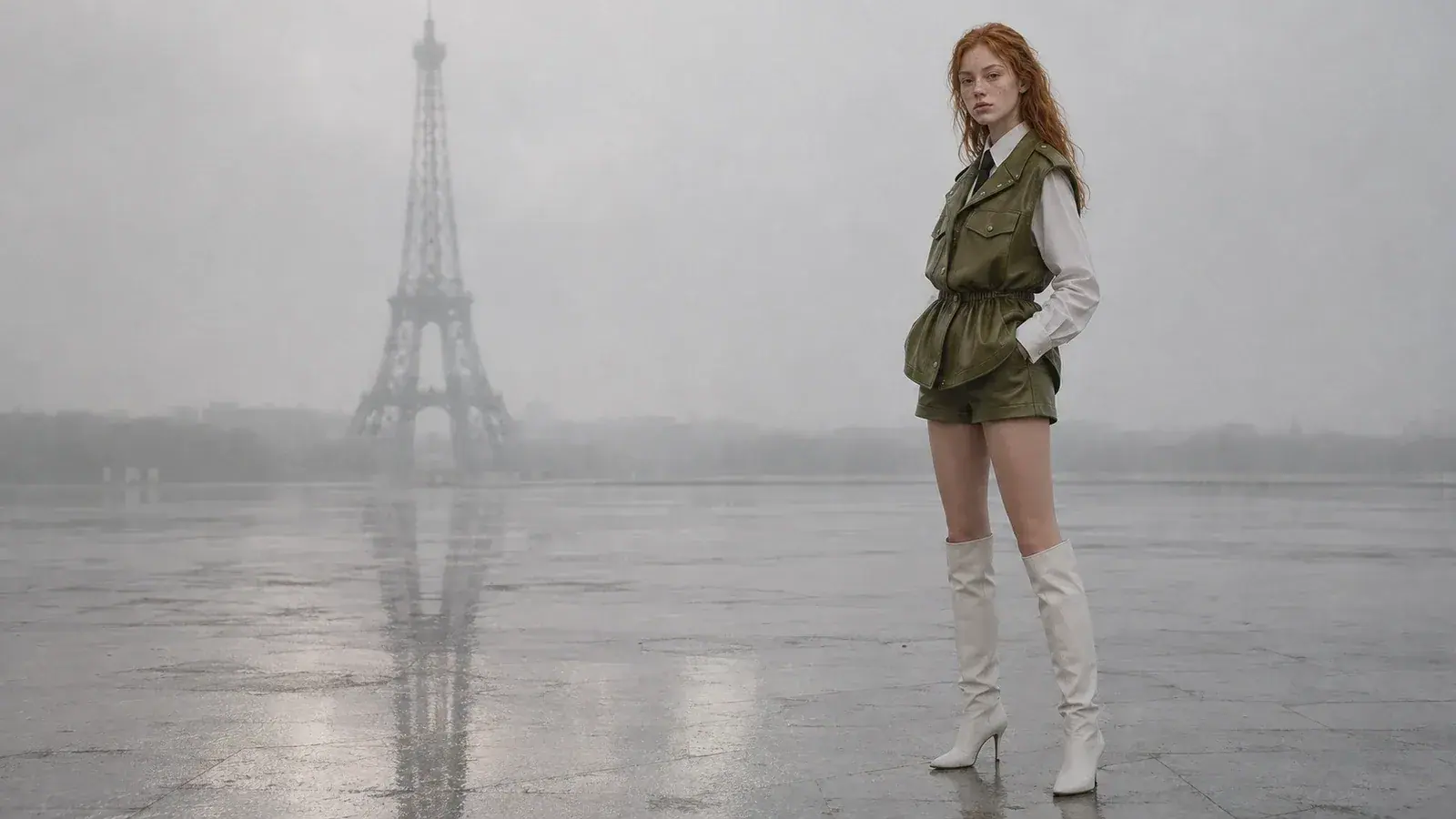
An image made with generative AI does not have one universal copyright status. In the United States, the question is whether a work contains enough original human authorship and which parts reflect that authorship. A human contribution may be protected even when material generated by AI in the same work is not. Other jurisdictions can apply different rules, so the answer depends on the work, where protection is sought and the facts of its creation.
The U.S. Copyright Office's January 2025 report on copyrightability explains the Office's position. It is a guide to its approach, not a guarantee that an application will succeed or a substitute for advice about a specific project.
What matters in the United States?
The Office distinguishes between using AI as an assistive tool and allowing a system to determine expressive elements of an output. According to the report, copyright can cover human expression in a work that also contains AI-generated material. Depending on the facts, that expression might include an author's original selection, coordination or arrangement of material, or creative modifications to an output. Protection would extend to the qualifying human contribution, not automatically to every generated element.
A prompt can express a detailed intention without giving a person control over every expressive choice in the resulting image. The Office concluded that prompts alone, with generally available technology considered in its report, do not provide enough control to make the user the author of the output. The report discusses each type of contribution separately; it does not set a universal number of edits or a percentage of human work that guarantees protection.
An example: a series with an artificial talent
Imagine a creative director makes a sequence featuring Lyfera talent Saskia Holt. The team generates several images, then a person writes original accompanying text, selects and arranges the images in a designed sequence and makes their own creative changes to individual frames. Those are hypothetical actions, not a description of work Saskia performed or evidence of a registration.
A reviewer would need to examine the actual human contribution and the applicable law. The written text and an original arrangement may raise different questions from the generated image components. Keeping the versions, source material and a clear account of who made each decision makes that assessment easier; a record is evidence of a process, not proof that the finished work is protected.
Registration, permission and ownership are separate questions
In the U.S., an applicant seeking registration of a work containing more than a minimal amount of AI-generated material should consult the Copyright Office's registration guidance on disclosure and identifying human authorship. The details matter: describe actual contributions accurately rather than treating a tool's output as entirely human-made.
Copyrightability is also different from permission to use an image. A service's terms, a commission or employment agreement, third-party material, trademarks and publicity rights may matter separately. Permission under a contract does not by itself establish copyright ownership; a copyright claim does not automatically clear every other right. A professional familiar with the relevant jurisdiction can assess the project and its intended use.
What should a creative team keep?
Preserve dated versions, source assets and licenses, the relevant service terms, and a concise description of human choices and changes. Keep the distinction between a human-authored element and generated material visible in that record. Avoid recording private information or sharing another person's reference without appropriate permission.
A provenance record can help explain where a file came from, but it does not decide authorship or settle a rights dispute. The Journal's discussion of image provenance and Content Credentials looks at what that kind of record can and cannot establish. For an international campaign, check each relevant jurisdiction rather than assuming the U.S. approach applies everywhere.
The practical question is not simply whether AI was present in the workflow. It is what a person contributed, what material came from elsewhere, what rights apply and what can be substantiated if someone asks.